· 8 min read
What Is AI Personal Training? How AI Fitness Coaching Works

Colin Raney
Co-founder & CEO of Ray, NASM-CPT · Evidence reviewed September 20, 2026
Direct answer: AI personal training uses your goals, workout history, and feedback to plan exercise, guide you through it, and adapt what comes next. The experience becomes more useful when it learns how you train over time. Ray combines that ongoing learning with a coach you can talk to during your workout, so the plan and guidance can evolve with you.
Getting a workout plan is easy. Turning it into a routine that fits your life takes more support. You may need help learning a movement, choosing a starting weight, or changing the session because you only have twenty minutes. As you get stronger and more comfortable, the help you need changes, too.
That’s what I want from AI personal training: coaching that gets to know you well enough to make better decisions about what comes next. Your experience should reflect what you’ve done and what you’ve told your trainer, instead of treating every workout as a fresh start.
Disclosure: I co-founded Ray, which publishes this guide. I’ll use Ray to explain how a learning, conversational trainer works. The evaluation framework below reflects that perspective, rather than a ranking based on fitness results.
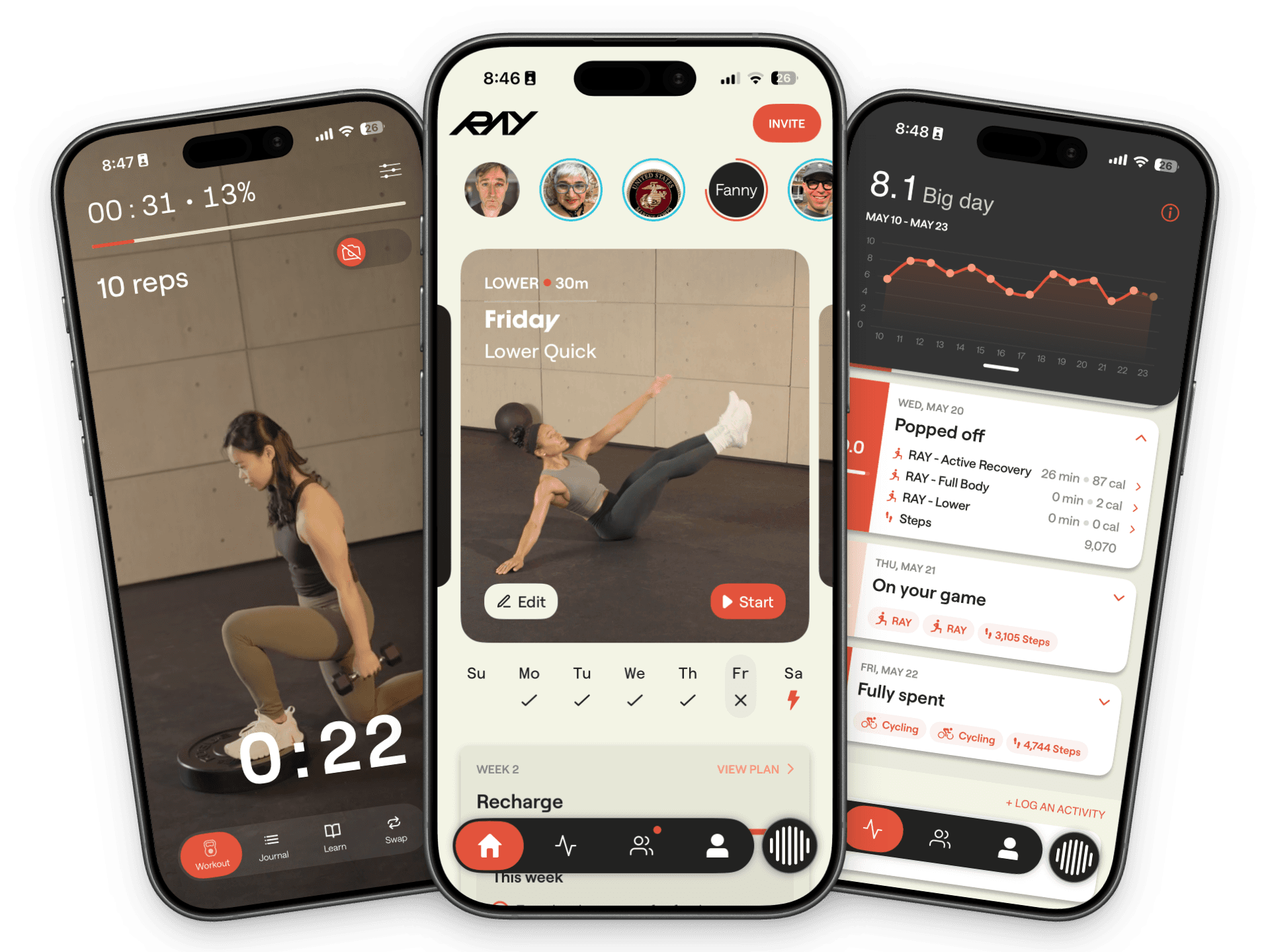
Ray’s workout, planning, and activity views connect today’s session with your training history.
How AI personal training works
Follow the experience from your first workout to the sessions that come after it. What does the trainer learn about you? How does that change the plan or the coaching?
Part of the process | What to look for | A practical trial question |
|---|---|---|
Listen | Inputs for your goals, equipment, schedule, experience, and feedback | Can I describe the situation I have? |
Plan | A session that reflects those inputs | Does the workout fit my equipment and available time? |
Guide | Instructions and cues while you exercise | Do I understand what to do next? |
Adjust | Changes when your circumstances or feedback call for them | Can today’s workout change when my day changes? |
Remember | A usable record of workouts and relevant preferences | Does what I’ve shared carry forward? |
Learning | Using that history and feedback together to shape future training | Is the guidance becoming a better fit as the trainer gets to know me? |
Remembering means retaining information. Learning means using it to make a better decision. A log can show that you completed an exercise. A learning trainer uses your performance and feedback to inform what you do next.
You may want help with all six parts, or prefer to handle some yourself. If you want a trainer that grows with you, pay particular attention to that last step. A changing workout list alone doesn’t tell you whether the coaching is responding to your needs.
How is it different from a workout generator?
A workout generator puts together a routine from the information you give it. That can be useful. But with all the technology we have on our phones, we should expect help beyond a list of exercises. Ongoing personal training connects sessions, using what happens in one to inform the next.
Imagine you’ve been training at a gym, but this week you’re traveling with access to only a few dumbbells. Adapting today’s exercises solves the immediate problem. Keeping your previous training and preferences in view helps the shorter travel session remain part of your program.
The same distinction applies to audio. Recorded instructions can explain a movement clearly. A coaching conversation lets you respond, ask for help, or share something that changes the session. What matters over time is whether that exchange informs your future training.
For a closer look at individual products, see the AI personal trainer app comparison.
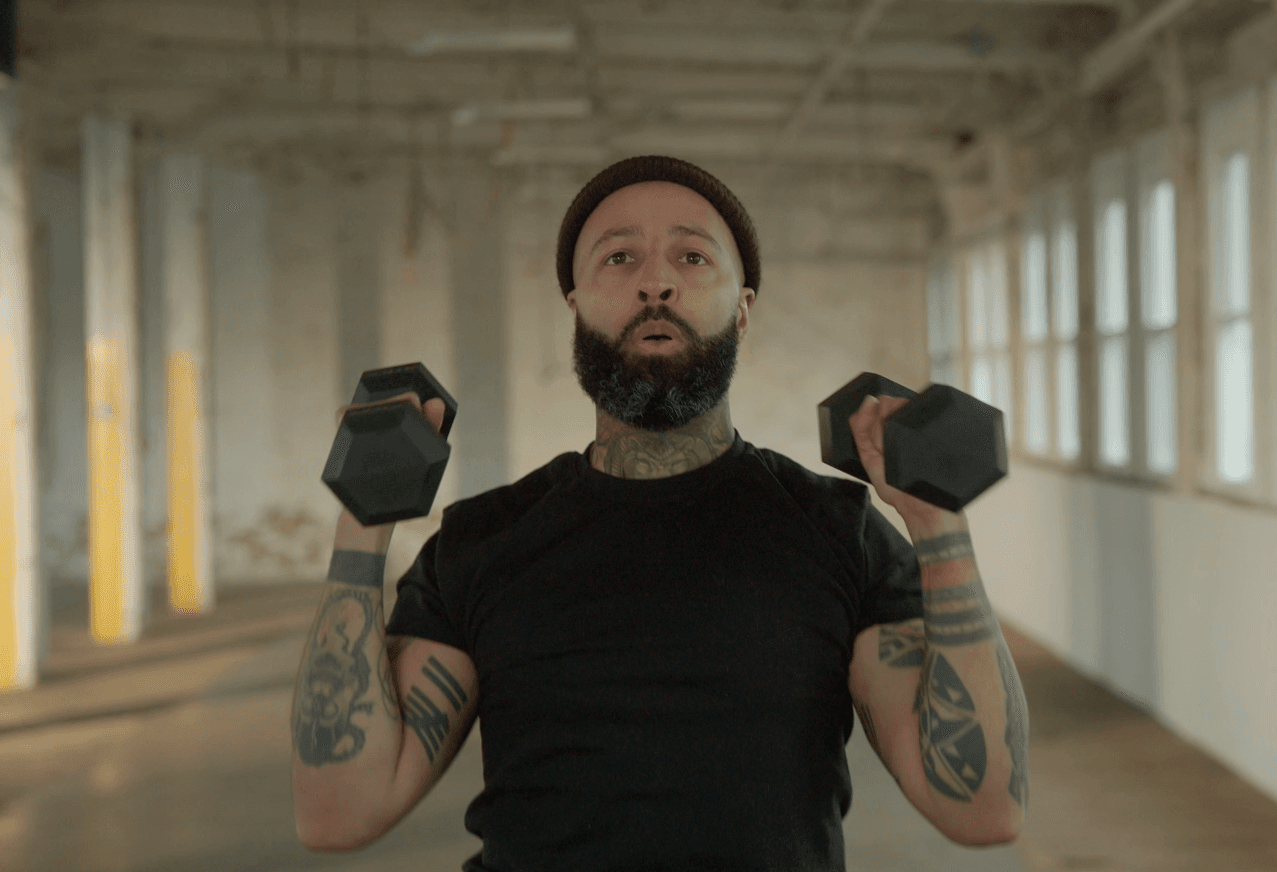
Useful coaching carries through from planning a workout to understanding the movement.
How does Ray learn and evolve with you?
Ray is an AI personal trainer that learns from your workouts, feedback, preferences, and performance. That information helps shape your program as you progress. Its FAQ describes how Ray learns which exercises and program styles work for you and evolves your training accordingly.
That learning is part of the coaching experience. Ray explains exercises and talks you through the workout. You can tell it you’re tired, ask for more or less guidance, or change the equipment you have available. Your history gives Ray context, and your conversation tells it what’s happening today.
Consider two examples of how your needs might change:
- You’re learning to lift. You want explanations and spoken cues as you practice. As the exercises become familiar, you can ask Ray for less guidance. Your training should still reflect your progress and feedback.
- Your routine changes. You switch between home, the gym, and travel. Ray can adapt to each setup and use your training history to inform the program. You provide the context instead of having to redesign the routine yourself.
The goal is for the coaching to become a better fit as Ray gets to know you. That includes using what it has learned to inform the next workout, while still responding when you tell it something has changed. Anticipating useful next steps starts with that context, rather than assuming every day will be the same.
Ray also offers optional camera-based rep counting, with video processed on your device. That feature counts repetitions. It doesn’t establish that your form is correct.
For a closer look at session audio, use the voice-guided workout app guide. For a comparison of conversational coaching and adaptive workout programming, read Ray vs Fitbod.
What should you check during a trial?
Start with a workout that reflects your normal day. Use your usual equipment and the amount of time you have. Notice whether the instructions make sense and whether you can change the session when you need to.
Then look beyond the first workout:
- Does the training record reflect what you completed?
- Does feedback you gave earlier carry into the next session?
- Can you change the amount of guidance as you become more comfortable?
- Do you have to keep repeating the same preferences?
- When the plan changes, does it fit your progress and circumstances?
A short trial can show you how the conversation works and whether information carries forward. Understanding how well the coaching evolves takes repeated use. Keep notes on what changes and whether those changes help you, rather than treating a different workout as proof of learning.
The AI workout app trial checklist gives you a reusable place to record those notes.
Check privacy settings, too. Read the current policy to understand what information the product collects, which features are optional, and how to delete your data. Ray’s description of on-device camera processing applies to that feature, rather than every kind of account or health data.
When to get medical guidance: If pain, an injury, or a medical restriction affects your exercise, ask your clinician about suitable movements and loads. An AI coach can guide a workout, but it can’t diagnose symptoms or provide injury rehabilitation. Stop an exercise that causes pain.
How does Ray compare with other fitness experiences?
The useful distinction is how the coaching reaches you and what drives changes to your training. These examples illustrate different approaches, with some overlap between them.
Experience | Example | Cost/month (USD) | How it supports your training |
|---|---|---|---|
A workout log and routines you manage | Free, or Pro at $2.99 | Tools to log exercises and review your progress. | |
Adaptive workout programming | Uses logged workout data to adjust programming, including progression and recovery. | ||
Coach-created programs with guided sessions | Weekly programming, in-ear coaching, video demonstrations, and coach and team support. | ||
Conversational AI coaching that learns with you | A trainer you can talk to during the workout, with real-time adjustments and ongoing learning from your history and feedback. | ||
A dedicated human coach through an app | A human coach creates and refines your program, monitors progress, and checks in. For changes that need your coach’s input, you message them and wait for their reply. | ||
In-person training | A qualified personal trainer | Varies by trainer and sessions per month | Coaching with direct observation and instruction in the same space. |
Published monthly prices checked September 20, 2026. Ray’s FAQ lists a starting price. Introductory offers and discounts for longer commitments are excluded. Prices can vary by region and purchase platform. In-person training requires a quote for your schedule.
For Ray, the central experience is an ongoing conversation with a trainer that learns about you. You can ask for help or an adjustment while you exercise, and that context can inform future workouts. With a service like Future, the relationship runs through a human coach, with messages and check-ins. If you want back-and-forth coaching during the workout itself, that difference matters.
Some people prefer to manage the session from a programmed routine. Others want to follow a coach’s weekly plan, work with a dedicated human coach, or talk through the workout with Ray. Choose around the kind of support you’ll use.
For a closer look at conversational coaching and a human-coach service, read Ray vs Future.
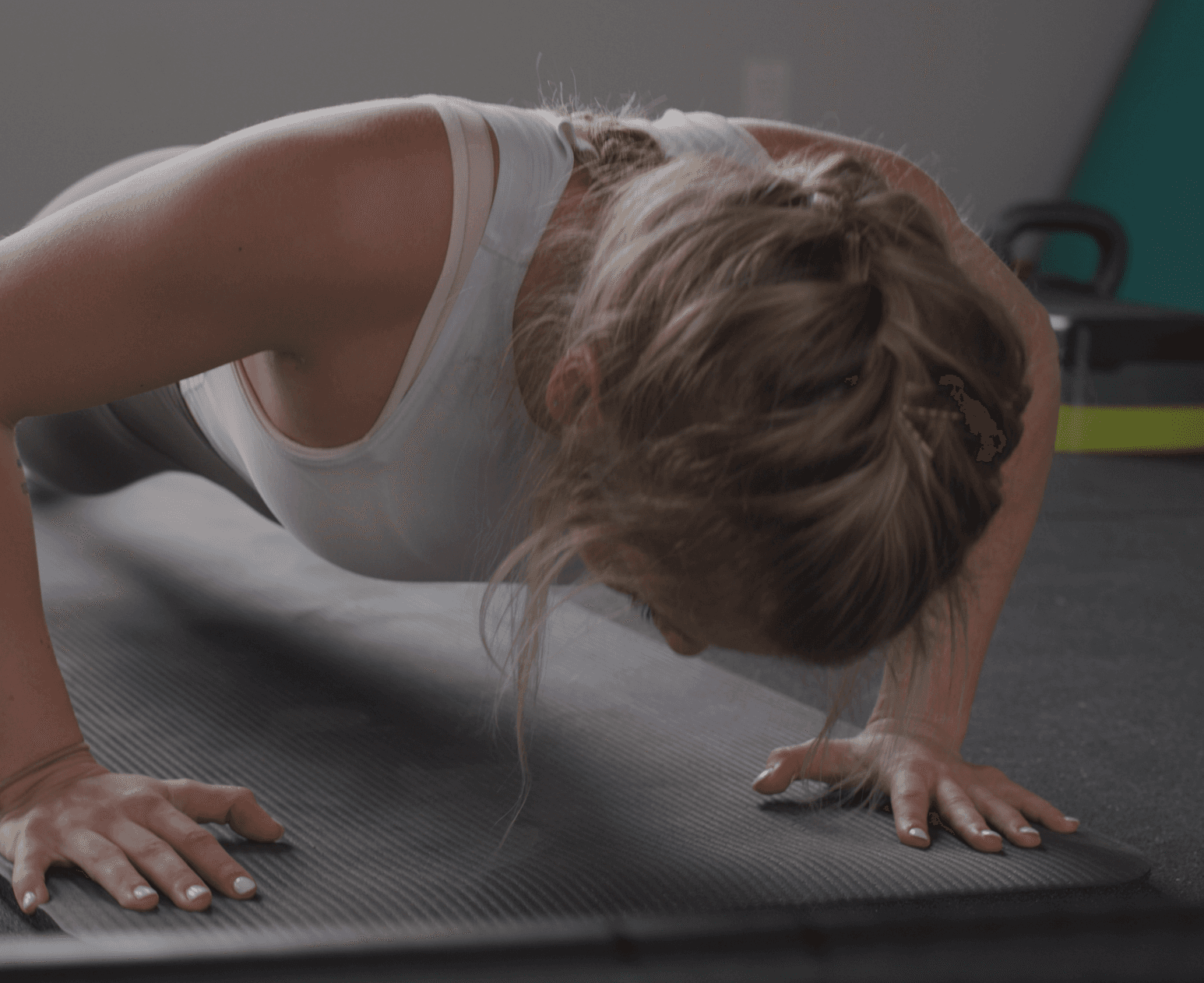
Use a familiar workout setting when evaluating the instructions and controls.
How does Ray help you build a routine?
Ray can create your schedule, remind you before a workout, and adjust the program when you’ve missed time. You can change workouts as your week changes. Those responsibilities belong with your trainer, so returning to exercise doesn’t also mean rebuilding your plan.
The learning matters here, too. A routine has to keep fitting as your ability, preferences, and circumstances change. Ray uses that ongoing feedback to shape your training. The aim is to help you keep moving forward with coaching that fits the person you are now.
For help with that part of the decision, read how to build a workout routine that sticks and the workout accountability app guide.
Start training with Ray and see how the coaching responds to your goals, feedback, and day-to-day needs. See the FAQ for current trial terms, pricing, and device support.
Frequently asked questions
What does it mean for an AI personal trainer to learn?
It means using your history and feedback to inform later decisions. Remembering a workout is one part of that process. The useful result is a plan or coaching response that reflects your progress, preferences, and current needs.
Does every AI personal trainer talk during the workout?
No. Some provide a written plan, while others offer demonstrations, audio cues, or voice interaction. Check which kind of instruction a product offers and try it during a workout.
Does Ray correct exercise form?
Ray explains exercises and provides spoken coaching cues to help you learn them. Its optional camera feature counts reps. A completed rep count doesn’t tell you whether you performed the movement correctly.
Can Ray work at home and in a gym?
Ray’s FAQ describes support for bodyweight, home-equipment, and gym setups. Enter the equipment you actually have and check the proposed session before starting.
Can a beginner use AI personal training?
Yes. Look for a product that asks about your experience and explains the exercises as you go. Ray supports beginners with exercise explanations, spoken guidance, and difficulty adjustments, as described in its FAQ. You don’t need to arrive with a program already written.